
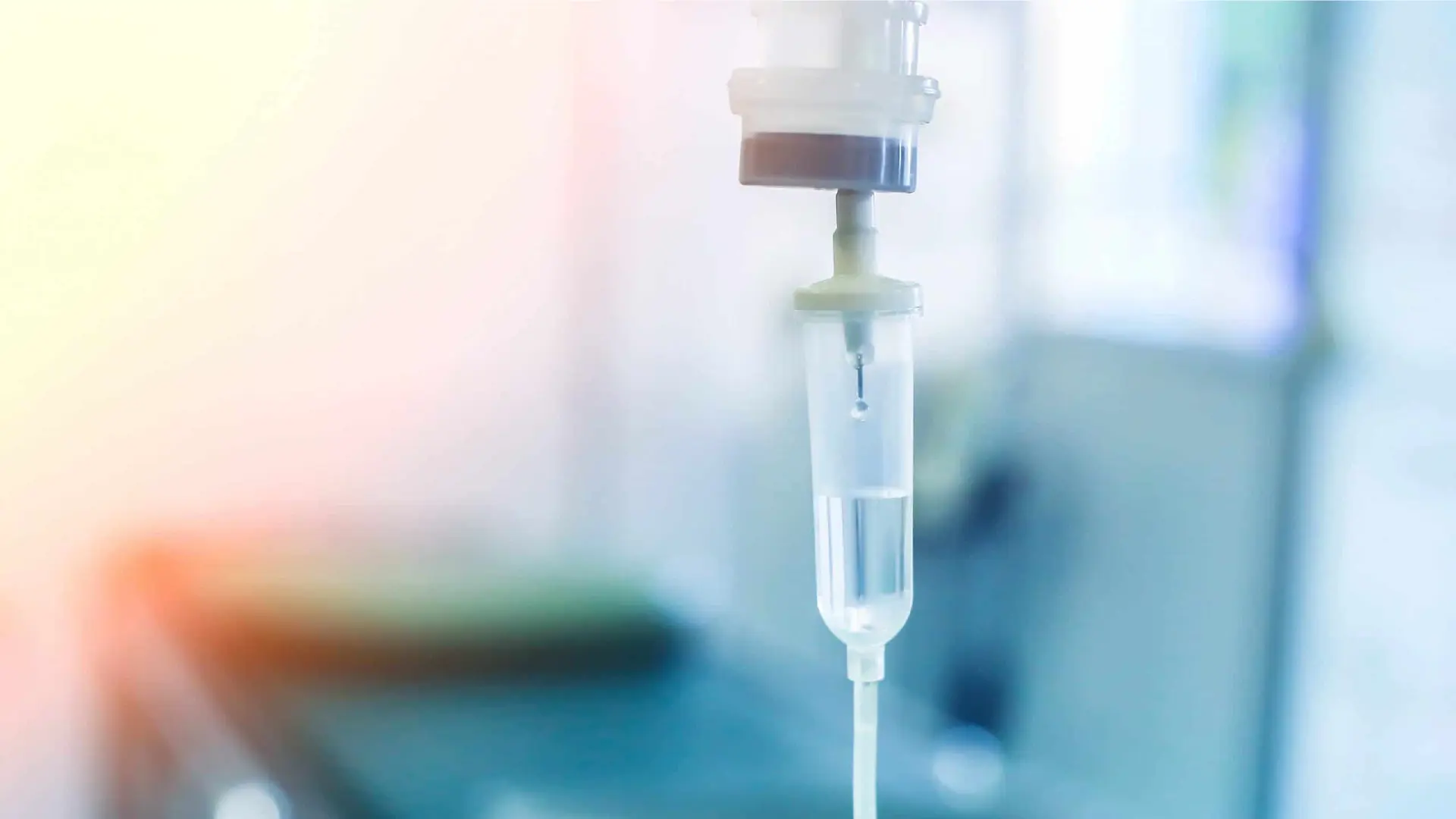
Cancer treatment can feel overwhelming, and one of the most common therapies you may hear about is chemotherapy. Many patients worry about what it means, how it works, and what side effects to expect. Let’s break it down.
What is chemotherapy?
Chemotherapy is the use of strong medicines to kill or slow the growth of cancer cells. Unlike surgery or radiation, which target specific areas, chemotherapy travels through the blood and can reach cancer cells all over the body.
When is chemotherapy used?
- To shrink tumors before surgery or radiation
- To destroy any cancer cells left after surgery
- To treat cancers that have spread
- To relieve symptoms in advanced cancer
Common side effects: Because chemotherapy also affects healthy cells, patients may experience hair loss, fatigue, nausea, low immunity, or mouth sores. These vary from person to person, and many side effects are temporary and manageable with supportive care.
What patients can do:
- Eat balanced, nourishing meals
- Stay hydrated
- Report any unusual symptoms to the care team
- Ask about medicines that reduce nausea or prevent infections
Takeaway: Chemotherapy can sound frightening, but it is an important tool that has helped millions of patients fight cancer. With modern advances, side effects are better managed than ever before, allowing many people to continue their daily lives during treatment.